
updated on September 10th, 2026
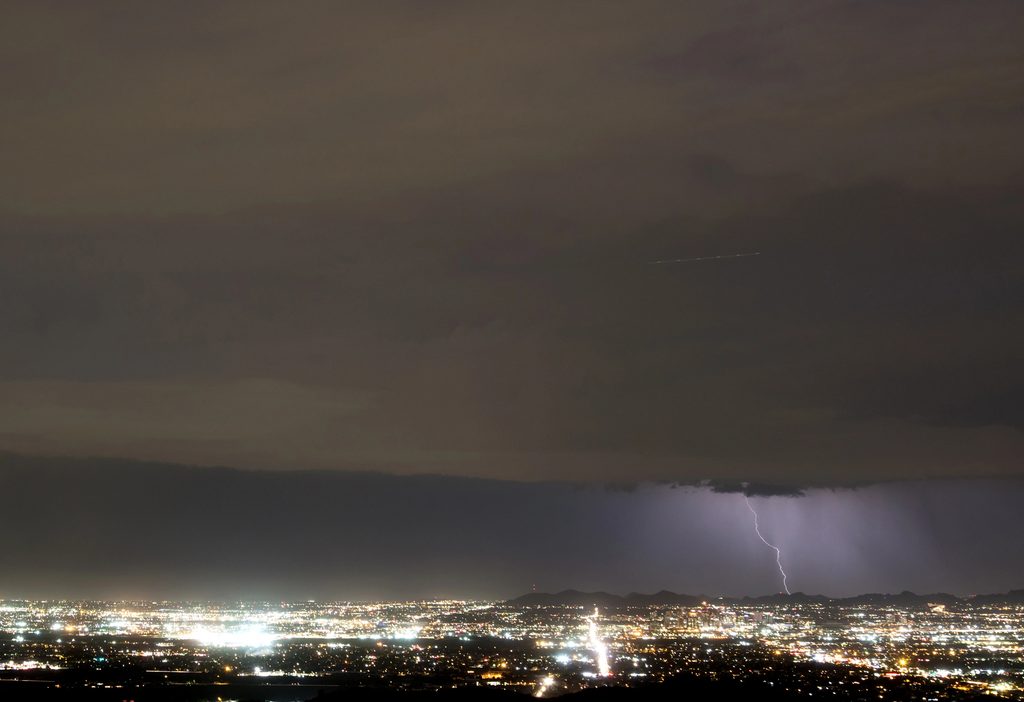
It’s monsoon season in Phoenix again. We know everyone has their opinion on the weather; some of our friends and customers love it, and some hate it.
Regardless of how you feel, the season brings storms with heavy rain, so the best thing we can do is prepare.
When dark clouds gather and torrential rains become the norm, Phoenix’s monsoon season can wreak havoc on unprepared multi-family buildings. This intense seasonal weather demands proactive measures to protect property and residents.
Understanding the monsoon season’s challenges in this region is crucial for property managers, investors, and owners looking to safeguard their investments against high winds, heavy rainfall, and potential flooding.
This guide will walk you through what you need to protect your buildings from damage and your tenants from discomfort, covering professional assessments, preventive maintenance, and emergency preparedness strategies.
*For professional advice specific to your property(s), contact us to schedule a roof inspection.
Table of Contents
Understanding Phoenix’s Monsoon Season
Phoenix’s monsoon season runs from June 15 to September 30, but we recommend having your buildings in optimal condition before the end of May. During this period, Phoenix faces thunderstorms, heavy rains, dust storms, and sometimes golf ball-sized hail that can cause flash floods across the metro area.
We receive roughly 50% of our annual rainfall during the season, with July and August as the wettest months. These conditions increase the risk of flash floods and severe storm damage, making preparation essential to protect your investment and residents.
The Importance of Preparing Buildings for the Monsoon Season
Pre-monsoon preparedness is crucial for multi-family buildings in Phoenix. Arizona’s monsoon season, fueled by moisture from the Gulf of America, brings heavy rainfall and strong winds that can cause extensive property damage and put residents at risk.
One practical step is scheduling an inspection with Icon Roofing. We’re a leading multi-family roofing company in the Metro Phoenix area. Our team of professional contractors can inspect and secure roofs to withstand extreme weather while fixing issues from leaks to loose flashing.
Another important aspect is creating and practicing evacuation and communication plans. This ensures families and staff stay informed and safe during storms. Residents should know evacuation routes, have emergency kits, and know which of your team members to contact for help.
Professional Roof Inspection: Your First Line of Defense
Professional roof inspections are invaluable for identifying potential vulnerabilities before they become costly disasters. Icon Roofing’s experienced professionals can help identify leaks, loose flashing, damaged shingles, deteriorated sealant, and other issues that could compromise your building’s integrity during severe weather.
If you manage an HOA, make sure each homeowner understands the importance of professional roof inspections and recommend hiring qualified roofing contractors for pre-season assessments.
DIY Inspection Guidelines (When Professional Service Isn’t Available)
Busy schedules don’t always allow for professional inspections. If you can’t hire Icon Roofing or another contractor, consider having knowledgeable staff conduct basic inspections to identify potential issues before monsoon season.
Interior Inspection Checklist
- Look for dark spots, holes, mold, or water damage on walls and ceilings.
- Check for signs of leaks that might cause extensive water damage to foundations or interiors.
- Address any mold issues immediately, as they can be hazardous and worsen during monsoon season.
Identifying Damaged or Loose Shingles
Shingles are critical for shielding buildings from storm damage. Inspect roofs for cracked, missing, or loose shingles before June. Damaged shingles reduce a roof’s ability to repel water during storms and should be addressed immediately to prevent structural problems.
Proper Sealing Techniques
Effective sealing is key to monsoon protection. Focus on these critical areas:
- Windows and doors: Use weatherstripping or caulk to block water entry
- Ductwork: Check for small cracks or holes that impact air quality and energy efficiency
- Pipes and penetrations: Ensure gaskets are tight and metal flashings are secure
- Sheet metal components: Verify all seals are intact and properly maintained
*In Arizona, the heat can destroy caulk, weatherstripping, and sealants. Check before and after the monsoon season for any issues, and have Icon Roofing inspect and weatherproof your roof every other year. Some roofs may need annual maintenance; we can recommend a maintenance schedule based on your property during a roof inspection.
Drainage System Maintenance
Cleaning Gutters and Downspouts
Gutters and downspouts guide rainwater away from buildings, but clogged systems can cause water damage, foundation issues, or flooding. Regular maintenance includes:
- Removing leaves, twigs, and debris
- Fixing leaks or breaks
- Installing gutter guards for additional protection
- Ensuring downspouts direct water at least six feet away from buildings
- Trimming nearby trees and bushes to reduce debris accumulation
Ensuring Efficient Water Drainage
Without proper drainage, rainwater can pool around buildings, causing flooding and significant water damage. Before, during, and after the season:
- Check for drainage issues and cracks around building foundations.
- Test existing drainage systems for efficiency.
- Consider consulting landscaping companies for professional drainage solutions.
- Implement systems that channel water away from buildings to maintain structural integrity.
Securing Outdoor Areas
Preparing outdoor areas is crucial to protect properties and residents from strong winds and heavy rain.
Essential Outdoor Preparation
Safety always comes first. Hire a professional if you’re unsure you can safely complete any of these recommendations.
- Trim trees and branches near buildings, gutters, downspouts, windows, and power lines.
- Secure or remove patio furniture, garden decorations, BBQ grills, and other movable items.
- Inform residents about bringing lightweight items (chairs, bikes, brooms) indoors.
- Use heavy weights or tie-downs for larger items you can’t move.
- Educate staff and residents about storm risks and the importance of preparation.
Installing Impact-Resistant Features
Impact-resistant windows and doors show your commitment to resident safety while providing long-term protection against dust storms, heavy rains, and flying debris. These features can prevent injuries and reduce damage for years.
Emergency Preparedness Checklist
For Property Management
- Check and clear storm drains and French drains.
- Secure windows and doors with weather stripping and storm shutters
- Review and update insurance policies to ensure adequate storm damage coverage.
- Develop comprehensive emergency communication plans (for staff and residents).
- Ensure staff know emergency procedures and resident contact protocols.
- Don’t wait to get damage inspected; call a professional as soon as you notice an issue.
For Residents:
- Prepare emergency kits with water, non-perishable food, and flashlights.
- Know evacuation routes and emergency contact information
- Understand who to call for assistance during storms.
- Stay informed through National Weather Service forecasts and warnings.
Preparation is the Best Option for Avoiding Costly Damage
Monsoon-proofing your multi-family buildings in the Metro Phoenix area requires a comprehensive approach combining professional expertise, proactive maintenance, and thorough preparation. Investing in pre-season preparation—through professional inspections with Icon Roofing or diligent DIY maintenance—prevents costly damage and protects residents.
Arizona’s monsoon season delivers at least 50% of the region’s annual rainfall in a few months, making preparation essential. From roof inspections and drainage maintenance to securing outdoor areas and emergency planning, every step before the storms strengthens your property’s resilience.
The key to successful monsoon preparation is starting early, being thorough, and maintaining open communication with residents about safety procedures. By following this guide and prioritizing professional assessments and preventive maintenance, you’ll protect your investment, safeguard residents, and navigate Phoenix’s monsoon season with confidence.
Don’t wait until the end of the season to test your preparedness. Schedule your professional roof inspection with Icon Roofing today and take the proactive steps to monsoon-proof your multi-family buildings. Your residents’ safety and your property’s integrity depend on what you do now.
Frequently Asked Questions About Preparing Multi-Family Buildings for Monsoon Season
Should I wait until the end of monsoon season to have roof damage inspected?
No. Do not wait until September 30 to inspect roof damage.
Phoenix monsoon season runs from June 15 to September 30, and July and August are typically the wettest months. If you already see leaks, stained ceilings, missing shingles, loose flashing, or standing water, waiting lets more rain get into the building. That can turn a small repair into interior damage, mold, and problems across multiple units.
Icon Roofing recommends:
- Inspect as soon as you notice an issue, even mid-season
- Schedule a post-storm inspection after a major wind, hail, or rain event
- Plan a full assessment before the end of May next year so the building is ready before storms start
A mid-season inspection is still useful. It identifies active leaks, documents storm damage for insurance, and stops water from traveling through shared roof decks and walls.
When should multi-family buildings in Phoenix be monsoon-proofed?
Have the property in the best possible condition before the end of May. Official monsoon season is June 15–September 30, and Phoenix gets roughly half of its annual rainfall in that window.
Best cadence for most multi-family roofs:
- Spring (April–May): pre-monsoon inspection and repairs
- After severe storms: targeted damage check
- Fall (September–October): post-season inspection, debris removal, and sealant review
Some roofs need annual maintenance; others can be weatherproofed every other year. That schedule should come from a property-specific inspection, not a one-size-fits-all calendar.
What does a professional monsoon roof inspection look for?
On multi-family buildings, inspectors should check more than missing shingles. Common problem areas include:
- Cracked, loose, or missing shingles or tiles
- Loose or deteriorated flashing around walls, vents, and penetrations
- Failed caulk, sealant, and weatherstripping (Arizona heat breaks these down quickly)
- Ponding water and clogged gutters or downspouts
- Interior clues: ceiling stains, dark spots, holes, and mold
- Drainage that does not send water at least six feet away from the building
For HOAs and property managers, this also creates a written record of condition before or after a storm, which helps with resident communication and insurance claims.
Can staff do a DIY inspection if we cannot get a contractor out right away?
Yes, as a temporary check—not as a replacement for a professional inspection. Keep staff off steep or unsafe roofs.
A basic walk-through should include:
- Interior ceilings and walls for stains, holes, or mold
- Visible shingles or tiles for cracks, gaps, or missing pieces
- Gutters, downspouts, storm drains, and French drains
- Seals around windows, doors, pipes, and rooftop penetrations
- Outdoor items that can become wind-blown debris
If anything looks unsafe or wet, call a contractor. The article’s rule is simple: if you are not sure you can do it safely, hire a professional.
Why is monsoon preparation different for multi-family buildings than for a single home?
One roof often protects many households. A leak over a hallway, stairwell, or shared deck can affect several units at once, create liability, and disrupt residents who may not control the roof themselves.
Property managers and HOAs also need:
- A contractor who can inspect and secure the whole building
- Clear resident communication about what to bring inside and who to call
- Emergency plans for staff and tenants
- Drainage and outdoor areas that will not flood walkways or first-floor units
That is why pre-season inspections and mid-storm response matter more on apartments, condos, townhomes, and duplexes than on a single-family house.
Does waiting until after monsoon season help insurance claims?
Waiting can hurt more than it helps. Insurers generally want prompt notice and documentation. If water keeps entering the building for weeks, it is harder to separate storm damage from neglect or secondary damage.
Better approach:
- Photograph and report damage as soon as it appears
- Get a professional inspection quickly
- Make emergency repairs to stop active leaks
- Follow up with a full post-season inspection in September or October
Icon Roofing can inspect multi-family roofs in Metro Phoenix and help you decide what needs immediate repair versus what can wait until after the storms ease. Call (480) 427-7600 or schedule a multi-family roof inspection.
See Also:




0 Comments