
Table of Contents
A Comprehensive Guide for Arizona Homeowners
Living in Phoenix means enjoying over 300 days of sunshine a year, but it also exposes your home to extreme heat, intense UV rays, and the occasional fury of monsoon storms. These conditions can accelerate roof wear and tear, making it crucial to spot the signs of deterioration early. If you’re noticing issues with your roof, it might be time for a full replacement rather than patchwork repairs. In this guide, we’ll cover the top indicators that your Phoenix roof needs replacing, backed by local insights and current data. Whether you have a tile, shingle, or foam roof, understanding these signs can save you from costly water damage and structural issues.
As a trusted roofing expert serving the Phoenix metro area, Icon Roofing specializes in roof replacements tailored to Arizona’s harsh climate. If any of these signs sound familiar, schedule a free inspection today to protect your home.
1. Your Roof Is Approaching or Exceeding Its Expected Lifespan
One of the most straightforward signs is simply the age of your roof. In Phoenix’s desert environment, roofs don’t last as long as they might in milder climates due to constant sun exposure and temperature swings that can reach 50°F in a single day.
- Asphalt Shingle Roofs: These typically last 15-30 years in Arizona, shorter than the national average because of UV degradation and heat-induced cracking. High-quality architectural shingles might push toward the upper end, but basic three-tab versions often fail sooner.
- Tile Roofs (Clay or Concrete): Common in Phoenix for their durability, these can endure 40-50 years or more with proper maintenance. However, the underlayment (the waterproof layer beneath the tiles) needs replacement every 15-20 years to prevent leaks.
- Foam or Flat Roofs: Expect 15-35 years, but recoating every 5-10 years is essential to combat UV damage.
If your roof was installed before 2000 and hasn’t been replaced, it’s likely time for an upgrade. Recent data from 2025 shows that Phoenix homes with roofs over 20 years old were particularly vulnerable during the severe September and October hailstorms, which affected over 11,000 properties with hail up to 2.5 inches in diameter. For tips on preparing for such events, check our guide on preparing your roof for Phoenix monsoons.
2. Visible Damage to Shingles, Tiles, or Roofing Materials
Phoenix’s intense heat can cause materials to warp, crack, or lose their protective coatings. Inspect your roof regularly (or hire a professional for safety) and look for these red flags:
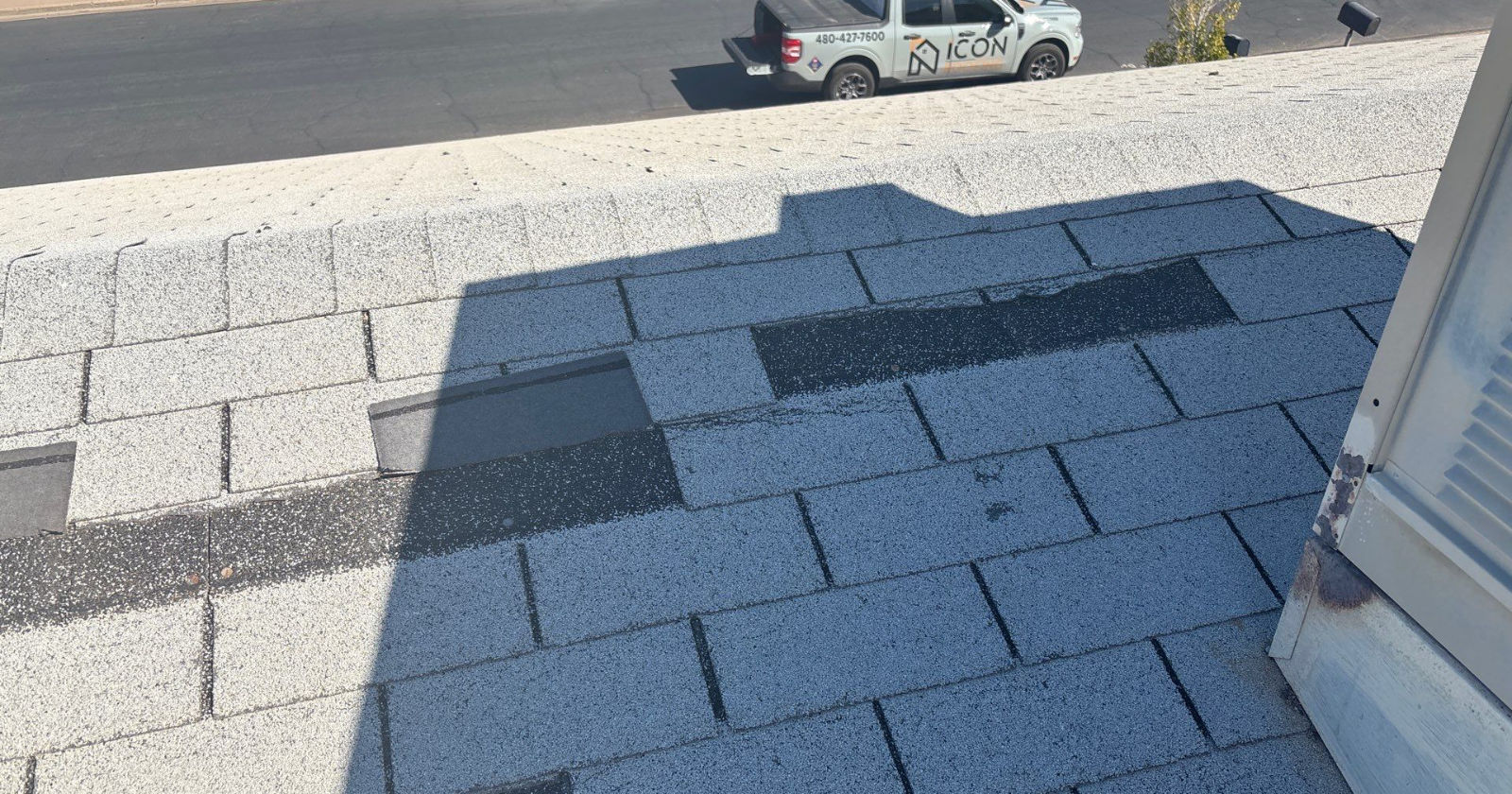
- Cracked, Curled, or Missing Shingles/Tiles: Heat causes shingles to curl at the edges or crack, while tiles might chip from hail or wind. If more than 20% of your roof shows this damage, repairs won’t suffice—a full replacement is needed to maintain integrity.
- Granule Loss in Gutters: Asphalt shingles shed granules as they age, which protect against UV rays. Finding excessive granules in your gutters is a sign the shingles are breaking down.
- Blistering or Bubbling on Flat Roofs: Foam roofs can develop bubbles from trapped moisture, exacerbated by monsoon rains averaging 2.7 inches annually in Phoenix.
For more on material options, explore our resources on residential roofing shingle types and tile styles.
3. Leaks, Water Stains, or Interior Damage
Water intrusion is a silent killer for roofs, especially after Phoenix’s monsoon season, which brought heavy rains and winds over 60 mph in 2025. Signs include:
- Ceiling or Wall Stains: Brown spots or discoloration indicate leaks. In attics, check for damp insulation or mold growth.
- Dripping During Rain: Obvious leaks during storms signal failed flashing or underlayment.
- Higher Energy Bills: Leaks compromise insulation, forcing your AC to work harder in Phoenix’s 110°F+ summers.
If leaks persist after minor repairs, a replacement is often the best long-term solution. Learn more about handling storm damage in our roof insurance claims tips.
4. Sagging Roof Deck or Structural Issues
A sagging roof is an emergency sign of structural failure, often from prolonged water damage or poor installation. In Phoenix, this can worsen due to monsoon microbursts with winds up to 100 mph. Look for:
- Uneven roof lines or dips in the deck.
- Creaking sounds or visible bowing from the ground.
This requires immediate professional attention—don’t delay, as it could lead to collapse. Icon Roofing offers emergency roof repair services for such issues.
5. Moss, Algae, or Debris Buildup
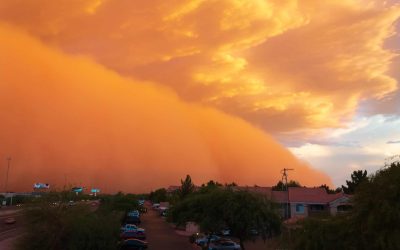
While less common in dry Phoenix, algae or moss can appear in shaded areas, trapping moisture and accelerating decay. More prevalent is debris from dust storms (haboobs), which clogged gutters during the major 2025 monsoon event that hit Sky Harbor and caused widespread tree damage. Clean gutters regularly, but if buildup has caused rot, replacement may be necessary.
6. Increased Energy Costs and Poor Insulation
An aging roof loses its ability to reflect heat, leading to higher cooling bills. Tile roofs excel here with natural insulation, but worn shingles or foam can spike energy use by 20-30%. If your bills are climbing without explanation, your roof might be the culprit.
For energy-efficient options, consider GAF materials, as we’re a certified GAF Master Elite Contractor.
Why These Signs Matter More in Phoenix
Phoenix’s climate— with average highs of 107°F in July and monsoon rainfall concentrated in summer—shortens roof life by 20-50% compared to national averages. The 2025 monsoon season was particularly intense, with above-normal precipitation (43% chance per NOAA) and hail storms causing millions in damages. Ignoring signs can lead to expensive interior repairs or even insurance claim denials.
For authoritative roofing advice, visit the National Roofing Contractors Association (NRCA) for general guidelines on maintenance.
What to Do If You Spot These Signs
Don’t wait, contact a local expert. At Icon Roofing, we provide free estimates and can help with insurance claims. Request a quote or call (480) 427-7600 to stay Icon Dry!™
We serve Phoenix and surrounding areas like Mesa, Chandler, and Scottsdale.
FAQs: Roof Replacement in Phoenix
How often should I inspect my roof in Phoenix?
Due to Phoenix’s extreme heat, UV rays, and monsoon storms, inspect your roof twice a year: in spring (April-May) before monsoons start in June, and in fall (September-October) after they end. This helps catch damage from winds, hail, or rain early. Check for cracks, missing materials, or leaks visually from the ground or a ladder safely. For a deeper look, hire a professional every 2-3 years to identify hidden issues like underlayment wear or structural problems. Post-storm inspections are essential too, as 2025 events showed quick checks prevent escalation. Regular maintenance extends roof life and supports insurance claims.
What’s the cost of a roof replacement in Phoenix?
A full roof replacement in Phoenix typically costs $8,856 on average, with a range of $6,273 to $11,694 for standard projects, but for a 2,000 sq ft home, expect $8,800–$24,200 depending on material, roof complexity, and whether any decking or structural repairs are needed. Asphalt shingle roofs usually fall on the lower end, at roughly $4–$11 per square foot installed (about $7,600–$9,500 for many homes). Concrete or clay tile roofs are more expensive, averaging $13,300 to $20,900 total. Key factors that increase costs include a steep or complex roof pitch, multiple stories, premium materials, extensive tear-off, and repairs to underlayment or decking.
Can I repair instead of replace?
The choice between repair and replacement hinges on damage extent, roof age, and home plans. If issues cover less than 25%—like isolated leaks or a few damaged shingles—repairs are cost-effective, often $500-$1,500 vs. thousands for full replacement. But for extensive problems, like widespread cracks or an old roof (20+ years in Phoenix), replacing saves money long-term by avoiding repeat fixes and interior damage. New roofs boost energy efficiency in hot climates. Get a pro inspection to check underlayment and structure; surface fixes might mask bigger issues. Repairs extend life temporarily, while replacements add property value and reliability.
How do monsoons affect Phoenix roofs?
Monsoon season (June-September) in Phoenix brings winds over 60 mph, hail up to 2 inches, heavy rains, and haboobs that stress roofs. Winds lift shingles or tiles, breaking seals and causing leaks or rot. Hail cracks tiles or causes granule loss on shingles, speeding UV damage. The 2025 storms were intense: an August event with 60+ mph winds, September 26 tree-downing rains, and October 12 hail impacting 11,000+ homes. Rains pool on flat roofs or clog gutters, leading to interior issues. Temperature swings add material stress. Inspect after storms to fix early and prevent mold or weakening.
What’s the best roof material for Phoenix?
The ideal material balances budget, style, efficiency, and durability against heat, UV, and storms. Tile (clay/concrete) tops for Phoenix, lasting 40-50+ years, reflecting heat to cut AC costs by 20%, and resisting monsoons well—but it’s pricier and heavier. Asphalt shingles are affordable, install easily, and last 15-30 years, though they absorb heat and fade faster from sun. Foam suits flat roofs with good insulation but needs recoating every 5-10 years. Metal offers 40+ year durability and reflectivity but can be noisy in hail. Tile wins for most homes; shingles for budgets.



0 Comments