
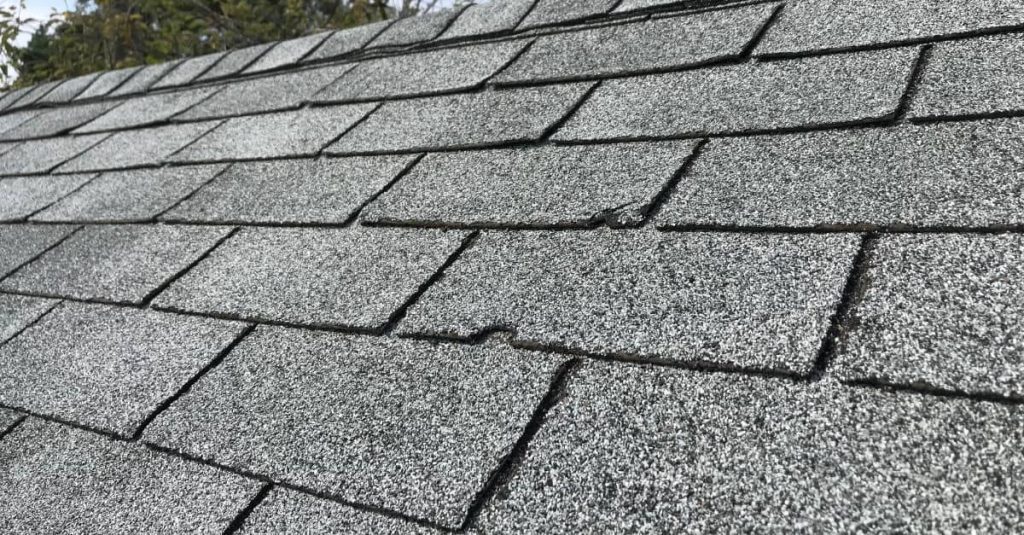
Your roof has to put up with a lot as the first line of defense against the Arizona elements. From scorching summer sun to torrential monsoon rains and everything in between, you rely on your roof to do its job.
That’s why it’s worth learning about your roof’s life cycle. No roof is built to last forever, and by understanding the different stages of your roof’s useful life, you can become more proactive in maintaining that crucial barrier against the weather and keeping your home a safe place to live.
With that in mind, let’s run through each of the stages of a roof’s life cycle, from the initial roof installation to its eventual replacement.
Table of Contents
The Roof Installation Process
The life cycle of your roof begins with its installation. Whether building a new home or replacing an old roof, the installation process sets the stage for your roof’s performance and longevity. A well-installed roof can withstand the harsh Phoenix weather for years, while a poorly installed one can lead to premature wear and tear.
When it comes to roof installation, there are several types of roofing materials to choose from, each with its own characteristics and benefits. Asphalt shingles, for example, are a popular choice for their affordability and durability, while tile roofs offer a more premium look and feel. On the other hand, metal roofs are known for their energy efficiency and longevity. However, the drawback is the added cost, both in materials and installation.
Proper installation is crucial to ensuring your roof lasts as long as possible, regardless of your chosen material. A roof installed correctly will be better equipped to withstand the elements, reducing the risk of leaks, damage, and costly repairs down the line. Look to work with experienced installers who boast outstanding reviews and industry-leading certifications such as GAF Master Elite® status.
The Importance of Regular Roof Inspections
Now that your roof is installed, keeping an eye on its condition is essential. Failure to do so will likely result in premature issues. It’s here that professional roof inspections pay dividends. While you might be able to spot obvious damage, there’s real value in paying a professional to spot issues that might not be clear to the untrained eye.
When you book a roof inspection, you can expect a thorough examination of your roof’s condition, including its structure, materials, and overall integrity. During an inspection, a qualified roofing technician will look for signs of wear and tear, damage, and potential vulnerabilities.
Benefits of Regular Inspections
Regular roof inspections offer several benefits and will no doubt extend the life cycle of your roof.
- Early Detection of Potential Issues: Inspections give you the benefit of catching problems early before they spiral into major issues. What may only be a minor repair now can avoid a potentially catastrophic water damage incident further down the line.
- Cost Savings: Spotting problems early and implementing minor fixes is far cheaper than waiting to fall victim to a much more significant issue that costs a small fortune in reactive roof repairs.
- Access to Experience: The real value of roof inspections comes from experience. Roofing companies with decades of experience have seen it all. They know when something minor is likely to become a massive problem and when it doesn’t require further action. As a homeowner with even a little DIY knowledge, you won’t have that same level of expertise when inspecting your roof.
- Extend Your Roof’s Lifespan: Inspections and consequent minor repairs will help prolong the life of your roof. This proactive “small and often” approach to roof maintenance will help it last much longer than leaving it unattended for years.
Roof Repairs: When and Why
Over the natural course of your roof’s life, there will be times when you need to implement repairs to your Phoenix roof, even if you’ve been keeping up with regular inspections. Whether it’s a period of intense heat or monsoon storms, sometimes it doesn’t take much to cause an issue on your roof that needs immediate attention.
Some common roofing issues that require repairs include leaks, damaged or missing shingles, and storm damage. Leaks can be particularly problematic, as they can cause water damage to your home’s interior and compromise the structural integrity of your roof. Damaged or missing shingles can also leave your roof vulnerable to the elements, while storm damage can cause significant destruction quickly.
If you notice anything amiss with your roof, call an experienced roofing company right away. They can assess the damage and offer a professional repair right there and then. When you’re dealing with issues such as water ingress, time is of the essence, so don’t delay.
Typically, once a contractor arrives on-site, they’ll identify the source of the issue, remove damaged materials, and replace them with new ones. In some cases, additional repairs may be necessary to ensure the structural integrity of your roof.
There’s no telling how often this may happen over the life cycle of your roof. It could happen once between yearly inspections or several years in a row due to heavy storms. The point is that repairs alleviate stress and prevent much bigger issues down the road. Putting necessary repairs off only leads to reduced roof longevity.
Roof Replacement: The Last Chapter
Eventually, no matter how well you look after your roof, the time will come to invest in a total roof replacement.
Roofing materials have a specific shelf life. Once passed, they offer very little protection against the elements. Timescales differ depending on the material you chose the first time around. Asphalt shingles last around 20 years, clay tiles much longer but need the underlayment replaced within 30 years, and metal roofs can reach 40+ years. Flat roofing systems typically need replacement protective layers applied every five years.
The specific replacement process will depend on the materials used on your roof. Generally speaking, the process is as follows:
- Removal of Old Roofing Materials: Shingles, tiles, shakes, or any other roofing material is removed to expose the underlayment and roof battens.
- Inspection of Underlying Structure: The next step is for your roofing contractor to inspect the underlying structure to ensure everything is in order. Damaged underlayment and battens will be replaced, and in severe cases, some of the roof decking may need to be repaired or replaced if it’s been damaged or exposed to moisture.
- Installation of New Roofing Materials: Once the underlying structure has been renewed, the new roofing materials are then affixed and fed into flashing, which may also be new, depending on the condition of the existing materials.
To reiterate, there’s a lot of variation in what constitutes a roof replacement. For clay tiles, for instance, the original clay tiles are often put back on the roof (minus any damaged ones); it’s just the underlying roof structure and underlayment that is replaced. In contrast, contractors will likely replace all asphalt shingles with brand-new ones.
How much you spend will be determined by the materials and whether you’re proceeding to a like-for-like swap or installing a new roofing system altogether. Likewise, a multi-family roof replacement has special considerations versus a standard single-family home.
Take Care of Your Roof So That It Can Take Care of You
With your newfound understanding of your roof’s life cycle, you can now appreciate how staying on top of regular maintenance and extending your roof’s life span pays dividends. Whether you’re a Phoenix homeowner or a commercial property manager, investment in the upkeep of your roof protects your property value and delivers much-needed peace of mind.
At Icon Roofing, we’re here to help look after your roof. We offer the whole gamut of roofing services, including roof installation, roof inspections, roof repairs, and roof replacements, to homeowners and businesses across Metro Phoenix. We’re a family-owned company boasting decades of roofing experience, top-tier professional certifications, and a long track record of happy customers. So, if you have questions or concerns about your roof or want to schedule an inspection, please don’t hesitate to contact us at (480) 427-7600 or [email protected].




0 Comments