
Table of Contents
Roof Insurance Claim Denial Help
Why Roof Insurance Claims Get Denied or Underpaid
Most denials are not accusations of fraud. They are technical. A carrier calls the damage normal wear rather than storm damage, points to a roof past the age its policy fully covers, flags a missed deadline, or its adjuster simply writes a scope that overlooks half the damage. Underpayment is even more common than flat denial, and it is easy to miss, because a check that clears feels like a win until the repair bid lands at double the number. The fix in nearly every case is better evidence than the adjuster used.
Deadlines Arizona Carriers Must Meet
Arizona’s claims-handling rules give you leverage most homeowners never use. Under the state’s standards for first-party claims, your insurer must acknowledge your claim within 10 working days of receiving it, must reply to communications that expect a response within 10 working days, and must advise you of acceptance or denial within 15 working days after receiving a properly executed proof of loss. The investigation itself is generally expected to wrap within 30 days unless there is a reasonable cause for delay. When a carrier blows past these, that delay itself can support a complaint.
Homeowner Escalation Ladder
Do you need roof insurance claim denial help? Follow the steps below in order. Each one builds the record the next one needs, these steps help get most legitimate claims resolved well before the bottom rung.
Step 1: Read the Denial and Get an Independent Inspection
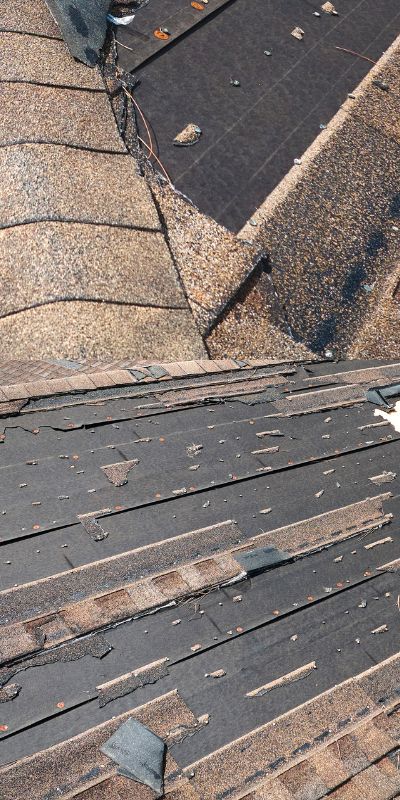
Start with the denial letter or the adjuster’s estimate and find the specific reason and the line items. Then get a licensed Arizona contractor on the roof for an independent inspection with a written scope of damage. This document is the foundation of everything that follows, because a licensed contractor’s assessment carries more weight than a homeowner’s account. An independent roof inspection often surfaces damage the carrier’s adjuster never recorded.
Step 2: Request a Reinspection
Armed with the independent report, ask the carrier in writing for a reinspection, and request that your contractor be present to walk the roof with the new adjuster. Reinspections with strong documentation have a solid track record of changing the outcome. Having your contractor point to each item on the roof, rather than mailing photos and hoping, is what moves the number.
Step 3: File a Written Supplement
A supplement is a formal request to increase the payout based on items the carrier missed or underpriced. Submit it in writing with your contractor’s itemized scope, photographs, and current local pricing, and cite each specific item line by line. Supplements are routine in roofing claims and are the standard route to closing the gap between a thin estimate and the real cost of the work.
Step 4: Invoke the Appraisal Clause
When reinspection and a supplement still leave you short, check your policy for an appraisal clause. It is a built-in tie-breaker. Each side hires an independent appraiser, the two appraisers attempt to agree, and a neutral umpire decides anything they cannot. It typically runs a few hundred to a couple thousand dollars, and it resolves a valuation dispute without a lawsuit. Use it when the disagreement is about the amount of a covered loss rather than whether the loss is covered at all.
Step 5: File a DIFI Complaint
The Arizona Department of Insurance and Financial Institutions takes consumer complaints and forces your carrier to formally respond, at no cost to you. Filing flags the claim for regulatory review and can require the insurer to submit a written response and its work file, often within 10 days. It is a strong step when you suspect the carrier has ignored the deadlines above or handled the claim unfairly. For damage that is clearly covered but stalled or denied without basis, a complaint frequently gets a claim moving again. You can file directly through DIFI’s website.
Recovery Options for a Denied or Underpaid Arizona Roof Claim
| OPTION | BEST FOR | TYPICAL COST |
| Independent inspection | Building evidence before any challenge | Often free with a reputable contractor |
| Reinspection | Damage the first adjuster missed or dismissed | No cost to request |
| Written supplement | Underpaid or incomplete estimates | No cost to submit |
| Appraisal clause | Disputes over the dollar amount of a covered loss | Roughly $500–$2,000 |
| DIFI complaint | Missed deadlines or unfair handling | Free |
How to Avoid a Roof Insurance Denial
Prevention is cheaper than an appeal, the best way to avoid a denial is to know and understand your insurance policy. Document storm damage thoroughly and quickly, file within your policy’s window, know whether your roof is covered at replacement cost or actual cash value, and hire a licensed Arizona roofing contractor before the adjuster rather than after. Working with a professional throughout the roof damage insurance claim process with the proper documentation from day one is the best way to avoid an insurance claim denial. If a storm has already hit, our storm damage repair team can document the damage and stand with you through the claim.
Got questions? Talk to a professional or schedule an independent roof inspection today.
Call Now
(480) 427-7600
Frequently Asked Questions
Is a denied roof claim really worth challenging?
Often, yes. Many denials are technical, and a reinspection backed by an independent contractor’s report changes the outcome more often than homeowners expect.
What is the difference between a supplement and the appraisal clause?
A supplement asks the carrier to add missed items to its own estimate. The appraisal clause brings in independent appraisers and a neutral umpire to settle a dispute over the amount.
How long does my Arizona insurer have to respond?
Generally 10 working days to acknowledge the claim and 15 working days after a proper proof of loss to accept or deny it, with the investigation expected to finish within about 30 days absent good cause.
This article is general information, not legal advice. For guidance on your specific policy or a contested claim, consult a licensed Arizona insurance professional or attorney.